Conservation

Conservation in Practice

Conservation at Nambiti is not a marketing statement – it is the operational core of the reserve. Every part of the work here, from anti-poaching to habitat management to new species introductions, is treated as inseparable from the lodge economy it supports.

Anti-Poaching

Round-the-Clock Operations

Anti-poaching operations run continuously within the reserve. Nambiti’s ranger and security teams operate around the clock, with perimeter patrols, aerial surveillance support, and coordination with regional law enforcement and conservation bodies.

Rhino Protection

Rhino protection is a particular priority. Nambiti’s white rhino population is actively managed and monitored, with a specific operational plan for their protection. Details of active operational methods are not published, but the reserve takes this responsibility seriously and funds it accordingly.

Species Monitoring and Management

Wild Dog

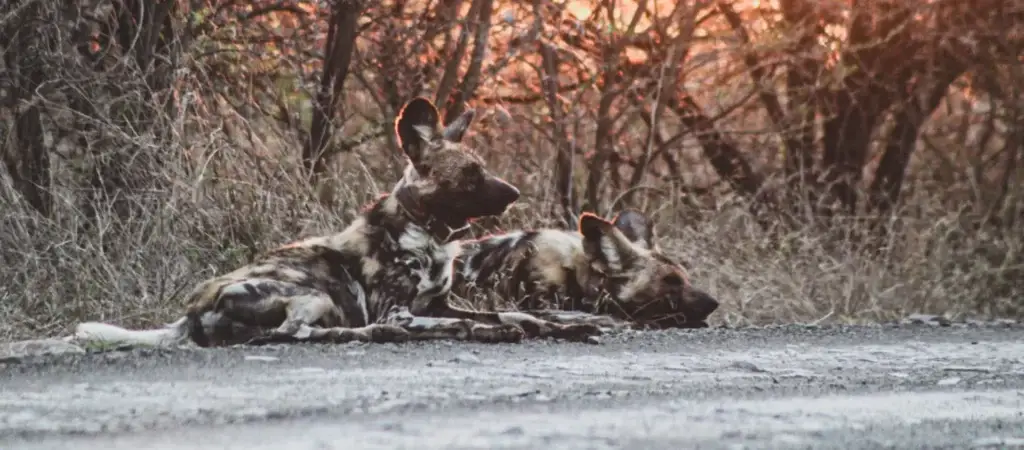
Lycaon pictus – the painted wolf – is one of Africa’s most endangered large carnivores. A pack is resident at Nambiti and is tracked as part of an ongoing monitoring programme coordinated with the national wild dog recovery effort. Wild dog sightings at Nambiti are a genuine privilege.

Cheetah

Cheetah have been reintroduced to the reserve and are established. Population health is monitored in coordination with national cheetah conservation bodies.

Lion

Several prides are resident. Pride dynamics, territory, and individual health are tracked. Lion numbers and range are managed to maintain ecological balance across the 23,000 acre property.

White Rhino

Population is actively protected and monitored. Nambiti’s anti-poaching investment is significant and ongoing.

Habitat Management

The diversity of Nambiti’s habitat – five distinct ecosystems within 23,000 acres – is not accidental. It reflects decades of active management: controlled burns on the grassland, riverine vegetation management, and careful control of land use within the reserve boundary. Habitat quality drives wildlife quality. The land is the primary asset.

New Species Introductions
2026 and 2027

Nambiti’s conservation team is working towards the introduction of sable antelope in 2026 and 2027. Sable are among the most visually striking antelope species in southern Africa and will represent a significant addition to the reserve’s wildlife offering.

Species introductions of this kind require extensive preparation – habitat assessment, fencing, quarantine, and ongoing monitoring. Nambiti is working through this process in coordination with wildlife authorities and breeders.


Conservations Stories